Great interior design is rarely about a single element. It's about how different textures come together to create depth and interest. Here's our guide to mastering texture mixing.
Start with a Base
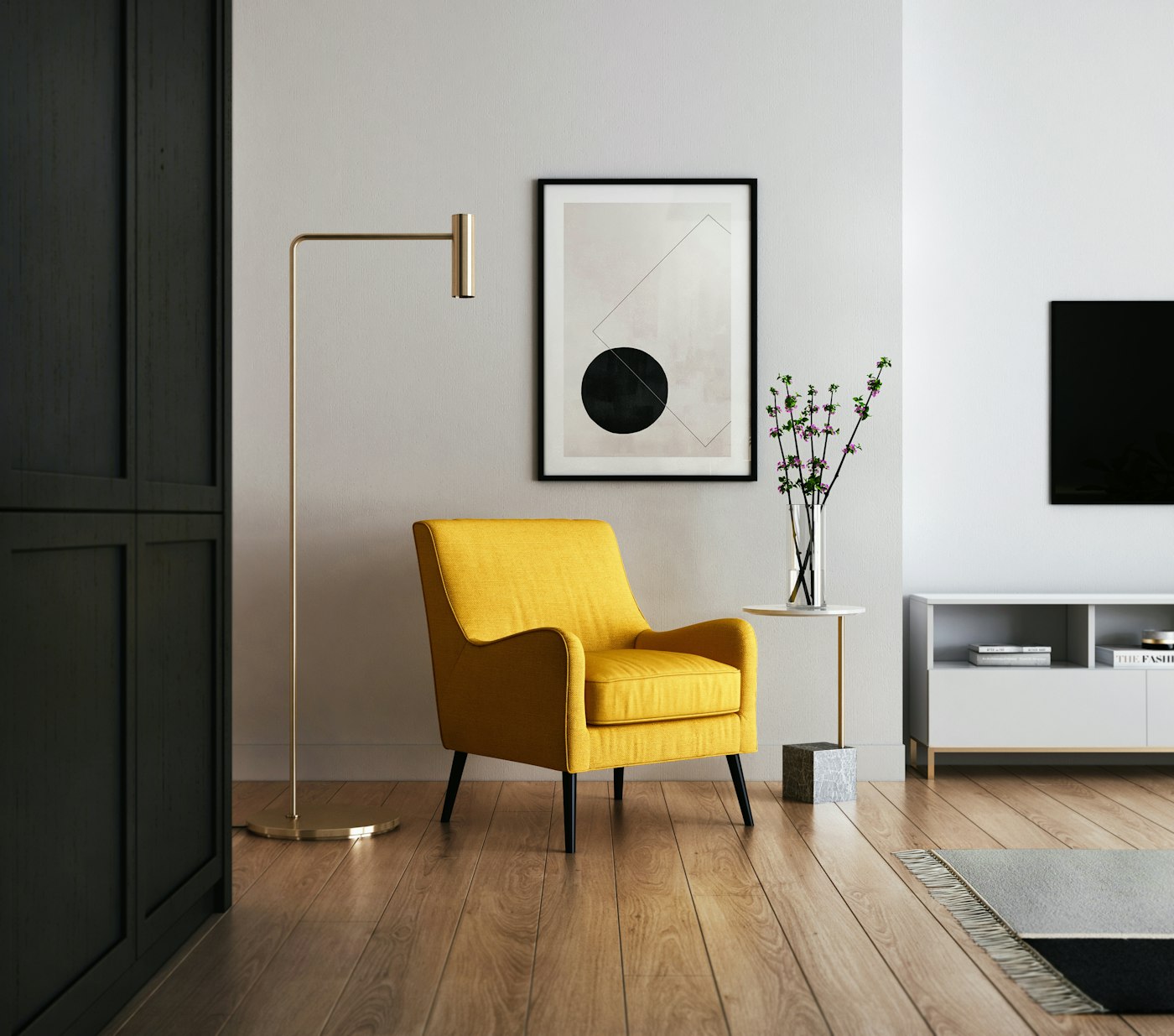
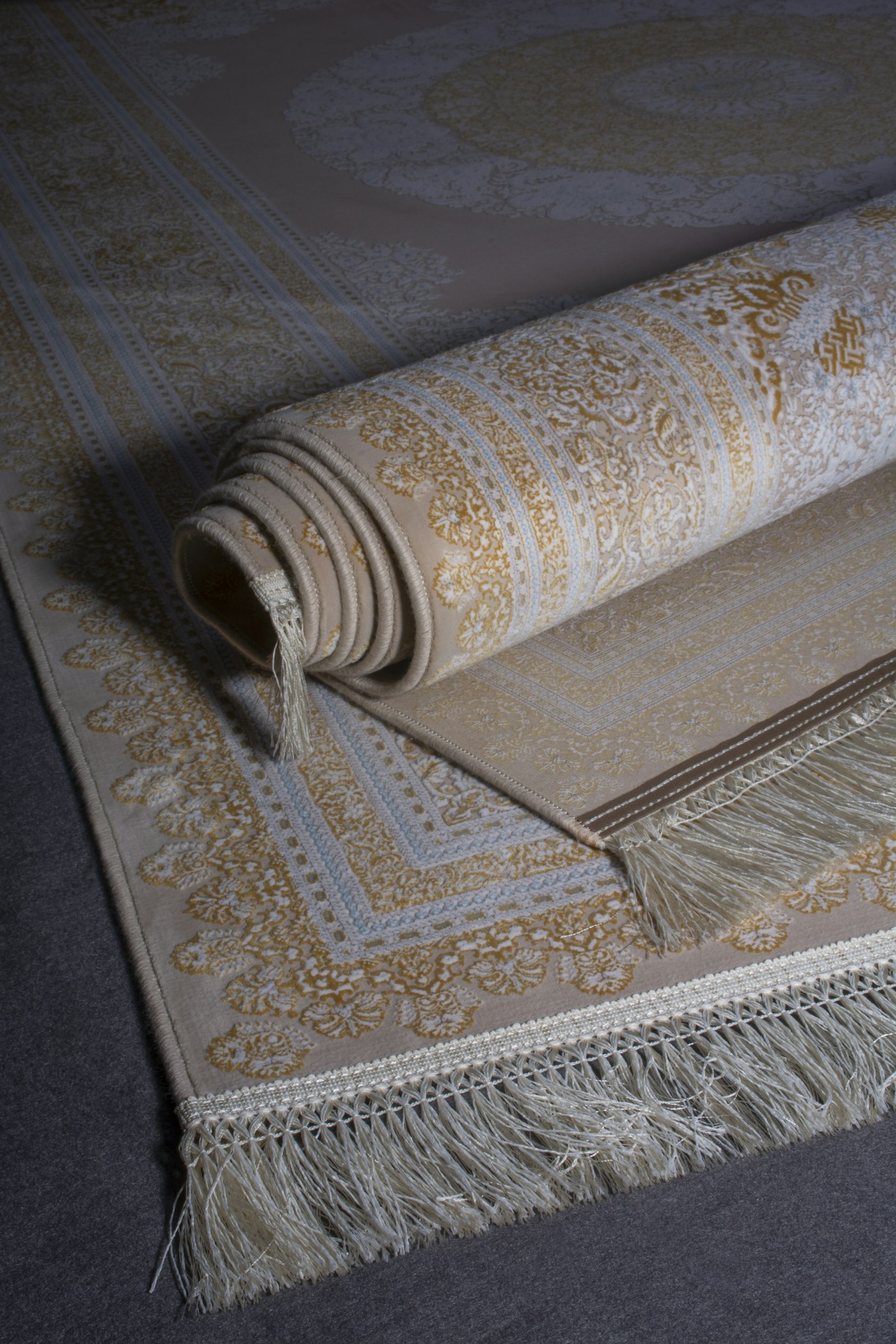
Begin with larger, smoother surfaces like walls and floors. These provide a neutral canvas against which textured elements can pop. A smooth wall with a woven jute rug already creates contrast.
Layer Natural Materials
The most timeless interiors layer natural materials: wood, stone, ceramic, linen, jute, and wool. Each material has its own tactile quality that contributes to the overall feel of a room.
The Rule of Three
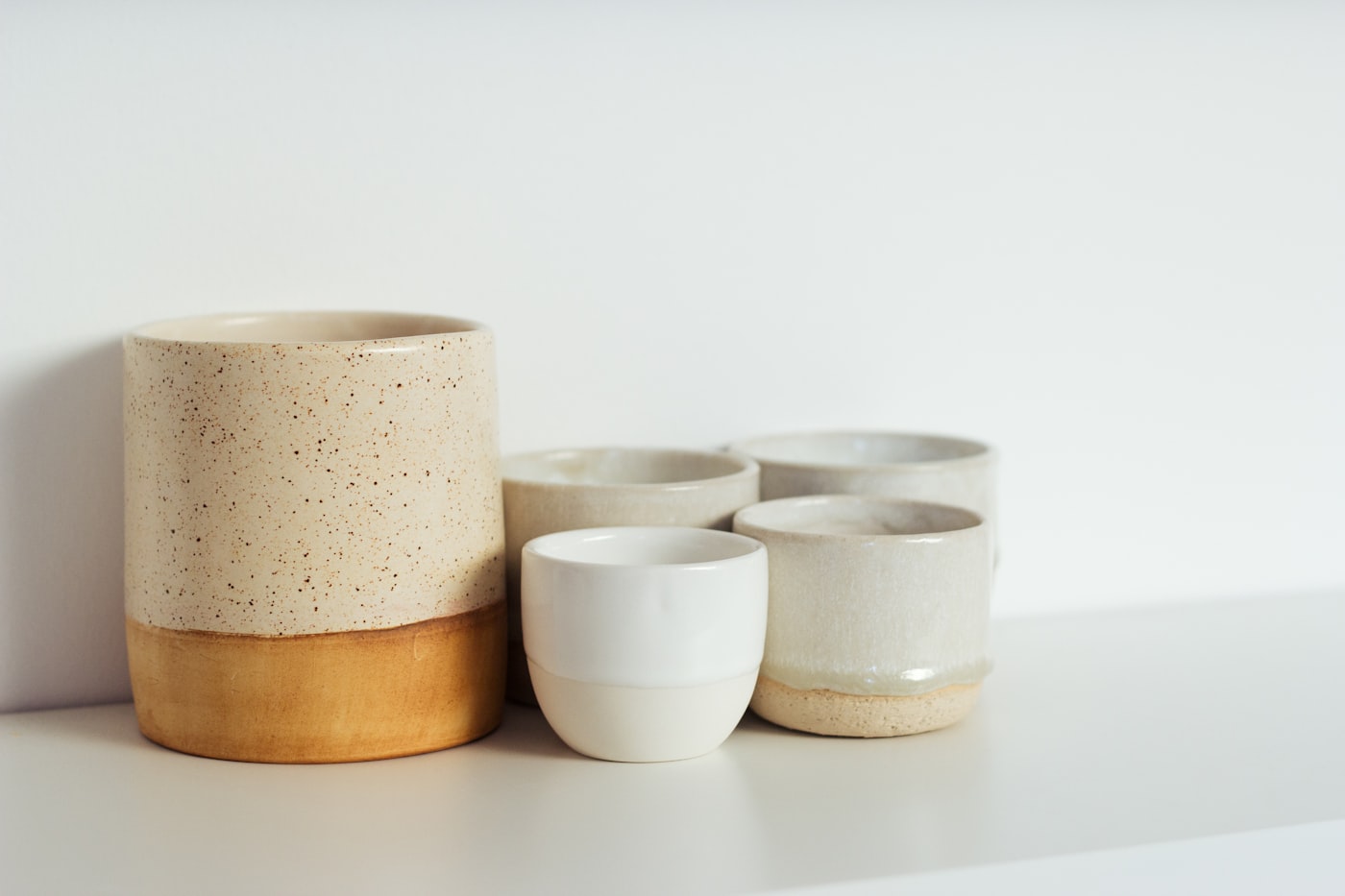
Try to include at least three distinct textures in any vignette. For example, a smooth ceramic vase on a rough wooden shelf next to a soft linen throw creates a pleasing trio of textures.
Don't Forget Vertical Texture
Walls offer an opportunity for texture too. Macrame wall hangings, floating shelves with displayed objects, and framed textile art all add vertical dimension that draws the eye up and makes rooms feel more complete.
Balance Rough and Smooth
For every rough texture like jute or reclaimed wood, balance it with something smooth like ceramic or glass. This prevents a space from feeling too rustic or too sterile.